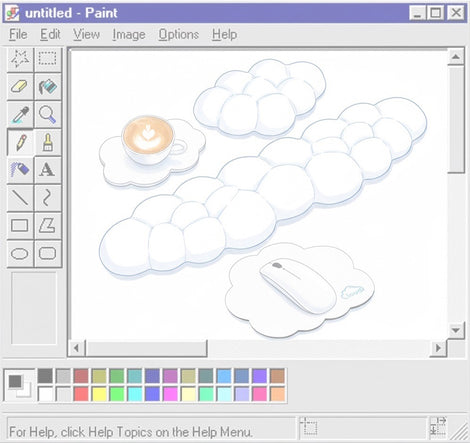




Why Mechanical Keyboard Users Prefer Memory Foam Wrist Rests: Comfort, Support & Long-Term Benefits

Mechanical keyboard users often spend hours typing, programming, gaming, or creating content. While mechanical switches provide a satisfying typing experience, their taller keycaps and different typing geometry can also create unique ergonomic challenges. This is why many enthusiasts choose memory foam wrist rests instead of harder materials such as wood, acrylic, or rigid plastic.
The reason is not simply that memory foam feels softer. The real advantage comes from its ability to distribute pressure, adapt to individual wrist shapes, and provide a stable support surface during long typing sessions. Unlike fixed-height wrist rests, memory foam changes slightly with your hand position, creating a more personalized support experience.
Why Mechanical Keyboards Create Different Wrist Support Needs
Mechanical keyboards are different from traditional low-profile keyboards because they typically use taller switches and keycaps. Popular layouts with OEM, Cherry, or SA profile keycaps create a higher typing surface, which changes how your hands approach the keyboard.
Keyboard manufacturers such as Keychron also discuss the role of wrist support when creating a more comfortable mechanical keyboard setup, especially for users who spend extended periods typing.
For many users, especially those who type for several hours per day, the increased keyboard height means the wrists may naturally rest at a different angle compared with a laptop keyboard. A properly selected wrist rest can help create a smoother transition between the desk surface and the keyboard edge.
This is one reason mechanical keyboard enthusiasts pay more attention to wrist rest materials. The goal is not only softness, but finding support that matches the way they actually type.
Taller Keyboard Profile
Mechanical switches and keycaps increase typing height, making wrist positioning more important.
Longer Typing Sessions
Coding, gaming, and office work often involve repeated hand movements for many hours.
Personal Typing Style
Different users apply different pressure and wrist positions, requiring adaptable support.
Why Mechanical Keyboard Users Prefer Memory Foam Wrist Rests
Memory foam wrist rests have become popular among mechanical keyboard users because they solve several common problems found with traditional wrist support materials.
A rigid wrist rest provides a fixed surface. While this can feel stable, it cannot adjust to differences in wrist size, hand shape, or typing posture. Memory foam works differently because it slowly compresses under pressure and gradually forms around the user's contact area.
1. Adaptive Comfort Instead of Fixed Support
The biggest difference between memory foam and hard wrist rests is adaptability. When your wrist rests on memory foam, the material slightly conforms to your natural shape instead of forcing your hand into a predefined position.
This creates a more personalized support surface that many mechanical keyboard users prefer during extended typing sessions.
2. Better Pressure Distribution
Hard materials concentrate pressure on smaller contact points. Memory foam spreads the load over a larger surface area by gradually compressing where pressure is applied.
| Material | Pressure Behavior | User Experience |
|---|---|---|
| Memory Foam | Adapts and distributes pressure | Soft, supportive, personalized |
| Wood | Fixed pressure points | Stable but less adaptive |
| Gel | Flexible but more elastic | Cooler feeling with more rebound |
How Memory Foam Creates Personalized Wrist Support
One of the biggest reasons mechanical keyboard users prefer memory foam wrist rests is the way the material adapts to individual hand and wrist shapes. Unlike rigid materials that provide the same surface for every user, memory foam responds differently depending on pressure, contact area, and typing posture.
This adaptive behavior comes from the structure of viscoelastic foam. Instead of immediately pushing back against your wrist, memory foam slowly compresses and gradually returns to its original shape after pressure is removed.
For mechanical keyboard enthusiasts, this creates a more natural feeling because the wrist rest follows the user rather than forcing the user to adapt to the wrist rest.
Different Hand Sizes
Users with larger or smaller hands can create their own comfortable support area because memory foam adjusts to different pressure patterns.
Different Typing Styles
Light typists and heavy typists experience different compression levels, creating a more personalized feel.
Different Keyboard Heights
Memory foam can better accommodate differences between compact, TKL, and full-size mechanical keyboards.
Why Fixed Wrist Rests May Feel Less Comfortable Over Time
A common issue with rigid wrist rests is that the same pressure points remain in the same location during every typing session. For some users, especially those who spend many hours at a keyboard, this fixed structure can feel less forgiving.
Memory foam reduces this problem by allowing small changes in wrist position without creating a completely different support experience. This flexibility is one reason many mechanical keyboard users consider memory foam a better choice for daily use.
Why Stability Matters During Long Mechanical Keyboard Sessions
Comfort is not the only reason users choose memory foam. Stability is another important factor that affects typing confidence.
When typing quickly, gaming, or performing repetitive movements, users usually want a wrist rest that stays predictable. A wrist rest that feels too bouncy or unstable may create a distracting sensation because the hand constantly adjusts to movement.
Memory foam provides a balanced experience because it compresses under pressure but does not behave like a spring. This allows the wrist to remain supported without excessive rebound.
Memory Foam vs Highly Elastic Materials
Some gel wrist rests use elastic materials that quickly return to their original shape. This can provide a cooling sensation and a unique feel, but some users prefer the more grounded sensation of memory foam.
| Feature | Memory Foam | Elastic Gel |
|---|---|---|
| Compression response | Slow and controlled | Fast rebound |
| Movement feeling | Stable and grounded | More flexible |
| Long typing preference | Often preferred for extended sessions | Depends on personal preference |
Real-World Experience: Using Memory Foam Wrist Rests With Mechanical Keyboards
Many mechanical keyboard users evaluate wrist rests differently from casual keyboard users because their keyboards are often used for longer periods and customized for specific typing preferences.
The mechanical keyboard community also shows that wrist rest preferences are highly personal. Discussions among enthusiasts often compare factors such as keyboard height, typing style, desk setup, and whether users prefer soft or rigid support surfaces.
For example, discussions within the r/MechanicalKeyboards community highlight that many users choose wrist rests based on their individual typing experience rather than following a universal rule.
A realistic evaluation usually focuses on several daily-use factors:
Common Evaluation Factors
- Initial comfort: How the wrist rest feels during the first few minutes of typing.
- Long-session support: Whether comfort remains consistent after several hours of work or gaming.
- Surface stability: Whether the wrist feels supported during fast typing movements.
- Material recovery: Whether the foam returns to its original shape after repeated compression.
- Surface experience: Whether the cover material remains comfortable during daily contact.
What Users Usually Notice After Switching From Hard Wrist Rests
A common difference users notice is that memory foam feels less like a platform and more like a support cushion. Instead of resting on a fixed surface, the wrist gradually settles into a position that matches the user's natural posture.
This does not mean memory foam is automatically better for every person. Some users prefer the clean, firm feeling of wood or acrylic wrist rests, especially when they prioritize maximum rigidity or easy maintenance.
However, for users who spend long hours typing on mechanical keyboards, the combination of adaptability and stability is one of the main reasons memory foam remains a popular choice.
Memory Foam vs Gel vs Wood Wrist Rests: Which Material Fits Mechanical Keyboard Users?
Choosing the right wrist rest material depends on what type of typing experience you prefer. Each material has different strengths.
Mechanical keyboard brands such as Akko also emphasize that wrist rests come in different materials and designs, allowing users to customize their typing environment based on comfort preferences.
| Material | Main Advantage | Potential Limitation | Best For |
|---|---|---|---|
| Memory Foam | Adaptive support and pressure distribution | May compress over years depending on quality | Long typing sessions, programmers, writers, gamers |
| Gel | Cooler surface feeling and flexible support | Some users dislike the softer rebound sensation | Warm environments and users who prefer a softer feel |
| Wood | Excellent rigidity and durability | Less adaptive to individual wrist shapes | Users who prefer a firm typing setup |
Different materials create different typing experiences. Memory foam focuses on adaptive support, while gel wrist rests are often chosen for their cooler and more flexible surface characteristics.
Additional comparisons between memory foam and gel wrist rests also show that material choice depends on factors such as comfort preference, temperature, and typing habits.
Why Many Mechanical Keyboard Enthusiasts Choose Memory Foam
Mechanical keyboard users often customize every part of their setup, including switches, keycaps, desk mats, and wrist rests. Because they spend significant time interacting with their keyboard, small differences in comfort and support become more noticeable.
Memory foam matches this customization mindset because it provides a personalized support experience instead of a one-size-fits-all surface.
Does Memory Foam Wrist Rest Flatten Over Time?
One common concern among mechanical keyboard users is whether a memory foam wrist rest will lose its shape after months or years of daily use. Because memory foam is designed to compress and recover, long-term durability depends heavily on foam density, material quality, usage frequency, and construction.
A high-quality memory foam wrist rest should maintain its general structure while adapting to repeated pressure. However, lower-quality products may experience faster compression, especially in the center area where the wrist applies the most pressure every day.
What Causes Memory Foam Wrist Rests To Lose Height?
| Factor | Impact on Durability |
|---|---|
| Low-density foam | Compresses more quickly and may recover less effectively over time. |
| Daily long-duration use | Repeated compression can gradually change the foam structure. |
| Excessive pressure | Heavy pressure points may create uneven surface areas. |
| Poor cover construction | Surface materials may wear before the foam itself fails. |
This is why comparing only the softness of a wrist rest can be misleading. A very soft product is not always better. The ideal memory foam wrist rest should balance comfort, recovery ability, and structural stability.
Who Should Choose a Memory Foam Wrist Rest?
Memory foam wrist rests are especially popular among users who spend extended periods using mechanical keyboards. However, the best choice depends on your workflow, typing habits, and personal preference.
Programmers and Developers
People who type code for several hours often value consistent wrist support and reduced pressure concentration during long sessions.
Writers and Office Users
Users who spend most of the day writing documents, emails, or reports may prefer the adaptive comfort of memory foam.
Mechanical Keyboard Gamers
Gaming-focused guides, such as SyberGaming's mechanical keyboard wrist rest guide , also highlight the importance of comfort and positioning during extended gaming sessions.
Customization Enthusiasts
Users who customize switches, keycaps, and desk setups often choose wrist rests that improve the overall typing experience.
Who May Prefer Another Wrist Rest Material?
Although memory foam is popular, it is not the perfect solution for everyone. Some users prefer different materials depending on their priorities.
- Choose wood wrist rests if you prefer a firm, fixed surface and maximum structural rigidity.
- Choose gel wrist rests if cooling sensation and a softer elastic feeling are more important.
- Choose leather-covered wrist rests if you prioritize premium appearance and easy cleaning.
The best wrist rest is not necessarily the softest one. It is the one that matches your keyboard height, typing style, and comfort expectations.
How To Choose the Right Memory Foam Wrist Rest for a Mechanical Keyboard
A good memory foam wrist rest should match your keyboard layout and typing position. Choosing the wrong size or height can reduce the benefits of even high-quality foam.
Step 1: Match the Wrist Rest Height With Your Keyboard
Mechanical keyboards come in different heights depending on switches, keycap profiles, and case designs. A wrist rest that is too low may create an uneven transition, while one that is too high may feel restrictive.
| Keyboard Type | Common Consideration |
|---|---|
| 60% / 65% keyboards | Compact wrist rests provide a cleaner desk setup and easier positioning. |
| 75% / TKL keyboards | A medium-width wrist rest usually provides balanced support. |
| Full-size keyboards | A wider wrist rest creates consistent support across the entire keyboard. |
Step 2: Consider Surface Material
The foam core determines support, but the outer cover affects daily comfort.
Fabric Cover
Breathable and comfortable for long typing sessions, especially in moderate environments.
PU Leather Cover
Easy to clean and provides a smooth surface, but quality affects long-term durability.
Premium Leather Cover
Offers a higher-end feel and develops a unique surface character over time.
Step 3: Consider Your Typing Duration
Users who type for 30 minutes per day may have different requirements from people who spend eight or more hours at a keyboard. Long-session users usually benefit more from adaptive support because small pressure differences become more noticeable over time.
Frequently Asked Questions About Memory Foam Wrist Rests
Are memory foam wrist rests good for mechanical keyboards?
Yes, many mechanical keyboard users prefer memory foam wrist rests because they provide adaptive support, distribute pressure more evenly, and create a comfortable transition between the desk and taller mechanical keyboards.
Why do gamers use memory foam wrist rests?
Many gamers choose memory foam wrist rests because long gaming sessions require consistent hand positioning. The material provides support without creating the rigid feeling of hard surfaces.
Is memory foam better than gel for a keyboard wrist rest?
Neither material is universally better. Memory foam usually provides a more stable and adaptive feeling, while gel often provides a cooler and more elastic experience. The better option depends on personal preference and environment.
Do memory foam wrist rests prevent wrist problems?
A wrist rest cannot guarantee prevention of wrist conditions. However, a properly positioned keyboard setup and comfortable support surface may help reduce discomfort caused by prolonged static positioning.
How long does a memory foam wrist rest last?
The lifespan depends on foam quality, usage frequency, and construction. Higher-quality memory foam with proper density typically maintains its shape longer than low-cost alternatives.
Recommended Memory Foam Wrist Rests for Mechanical Keyboard Users
After understanding why mechanical keyboard users prefer memory foam wrist rests, the next step is choosing a design that matches your keyboard layout, workspace, and daily usage habits.
Our ergonomic wrist rests combine memory foam cushioning, PU leather surfaces, and non-slip bases to provide comfortable support for mechanical keyboards, laptops, and desktop setups.

Cloud Tenkeyless Memory Foam Wrist Rest Set
Designed for compact and tenkeyless mechanical keyboards, this wrist rest provides soft memory foam support with a cute PU leather cloud design. It is ideal for users who want ergonomic comfort while maintaining a clean desk setup.
- ✔ Suitable for TKL and compact mechanical keyboards
- ✔ Memory foam cushioning for long typing sessions
- ✔ PU leather surface for smooth daily use

4-in-1 Ergonomic Cloud Memory Foam Wrist Rest Set
A versatile wrist support solution for users who switch between mechanical keyboards, laptops, and different desk setups. The multi-piece design provides additional support options for everyday computing.
- ✔ Multi-purpose ergonomic desk accessory set
- ✔ Memory foam palm support
- ✔ Anti-slip design for stable positioning